
A lotus flower tattoo symbolizes purity, rebirth, resilience, and enlightenment, with meanings varying based on color, design, and cultural significance.
This article explores understanding lotus symbolism, choosing meaningful colors and design elements, optimal placement options, and collaborating effectively with your tattoo artist to create a design that truly resonates with you.
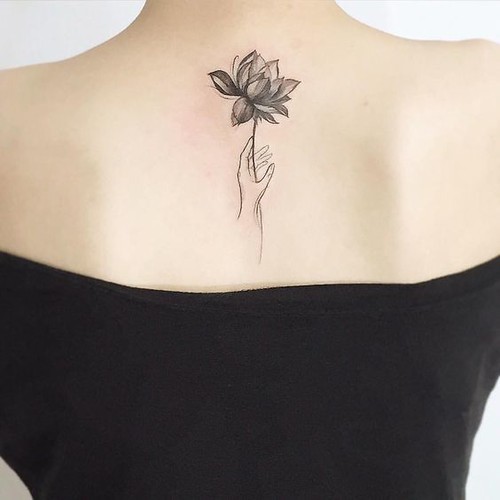
Understanding the Cultural and Spiritual Significance of the Lotus Flower
The lotus flower carries deep meanings across many cultures, symbolizing purity, rebirth, resilience, and enlightenment. Recognizing these interpretations helps ensure your tattoo respects and accurately reflects the heritage and personal significance behind the design.
Core symbolism across cultures
In Buddhism, the lotus represents spiritual awakening and purity of mind. It signifies detachment from worldly desires as it rises clean from muddy waters. In Hinduism, the lotus is associated with deities like Vishnu and Lakshmi, symbolizing divine beauty and vitality. Ancient Egyptian mythology links the lotus to creation, rebirth, and the sun, as the flower blooms at dawn and closes at dusk.
Table of Contents
The lotus as a symbol of purity, resilience, enlightenment
The key aspect of the lotus is its ability to emerge pristine from muddy waters, embodying resilience. This quality makes it especially meaningful for those overcoming struggles or seeking spiritual growth. For instance, a person who has overcome adversity might choose a lotus tattoo to symbolize their resilience and inner purity.

Historical significance and common motifs
Historically, artisans have depicted the lotus with stylized petals, often paired with spiritual symbols like Buddha or Hindu deities. These motifs deepen the tattoo’s meaning, transforming it from mere aesthetics into a symbol of spiritual journey or cultural identity.
Practical considerations
- Avoid superficial design choices: Ensure your tattoo artist understands and respects the cultural origin of the lotus symbolism, rather than simply using the flower as a decorative element.
- Be specific about meanings: Clearly communicate whether your lotus represents purity, rebirth, spiritual awakening, or resilience, so the design accurately reflects your intent.
- Research cultural details: For example, in Buddhist tradition, an open lotus signifies enlightenment, while a closed bud symbolizes potential or the beginning of a journey.
Understanding these nuances helps you avoid cultural misappropriation and ensures your tattoo genuinely expresses the intended symbolism. When discussing your design with a tattoo artist, ask whether they are familiar with the cultural contexts and symbolic elements you want to incorporate.
Choosing the Right Colors to Reflect Personal or Spiritual Intent
Selecting the right colors for your lotus flower tattoo enhances its personal and spiritual significance. Each hue conveys specific meanings and can deepen your connection to the design.
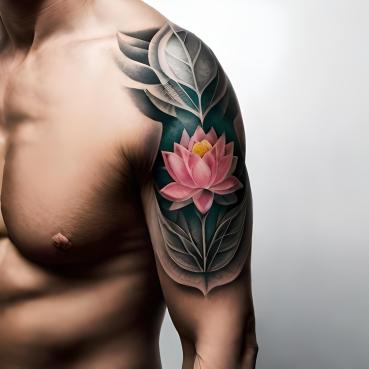
White for Purity and Spiritual Awakening
White lotus tattoos symbolize purity, enlightenment, and spiritual awakening. In many traditions, a white lotus represents a state of perfect peace and innocence. For example, someone seeking spiritual growth might opt for a white lotus to embody their journey toward understanding and inner calm.
Pink for Love and Compassion
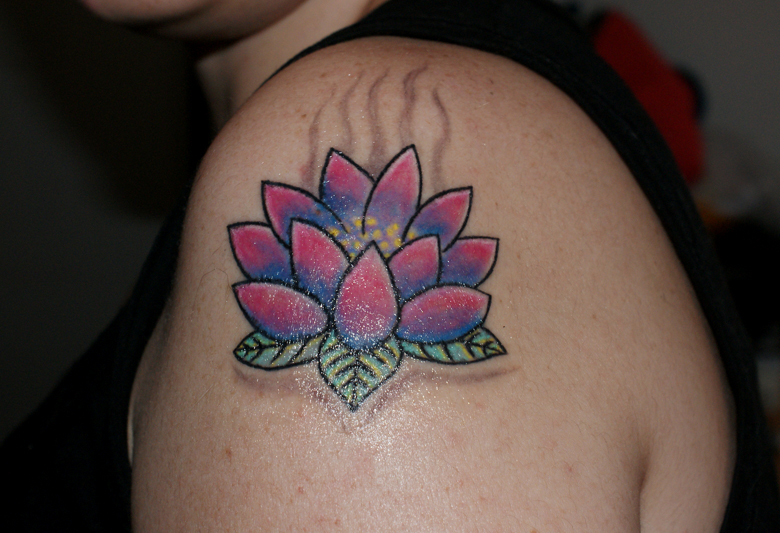
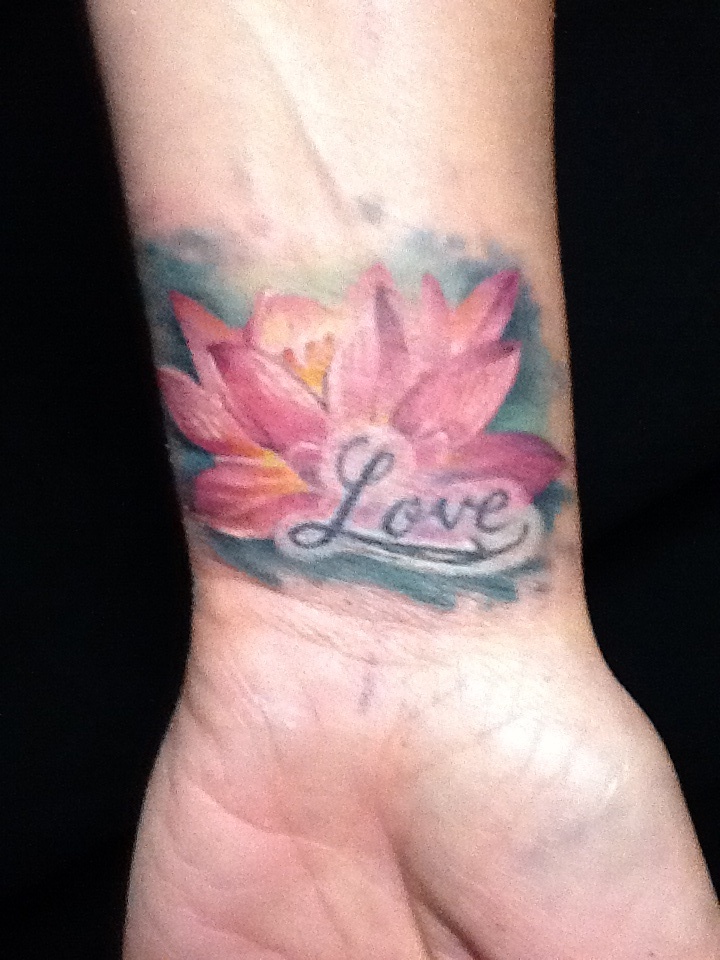
Pink is often associated with love, compassion, and emotional healing. A pink lotus can reflect a desire for connection or personal growth through kindness. If you want a design that epitomizes compassion, a pink hue can beautifully symbolize your intent.
Orange for Resilience and Strength
Orange lotus tattoos denote resilience, strength, and vitality. Bright and energetic, this color is suitable for someone overcoming hardship or celebrating their inner strength. For instance, an individual who has rebounded from adversity might choose an orange lotus to signify their resilience.
Keep in mind that colors can influence how your tattoo is perceived over time. Fading, for example, may diminish lighter shades like white or pink more quickly. Additionally, cultural sensitivities around certain colors should be considered, especially if the design might be visible in diverse settings.
A practical decision rule is to match the hue to your core intent. For example, if purity and spiritual growth are your focus, white is most fitting. If emotional connection or love drives your choice, pink may be better. To verify, discuss these meanings with your tattoo artist, ensuring they understand the symbols you aim to depict.

Design Elements and Placing Your Lotus Tattoo for Meaning
Choosing the right design details and placement can deepen your tattoo’s symbolism and make it more personally meaningful. Focus on petal shape, additional symbols, and body location that align with your intentions.
Petal Shapes and Number
The shape and number of lotus petals carry specific meanings. For example, eight petals often symbolize spiritual awakening and enlightenment, inspired by Buddhist traditions. A lotus with 13 petals might represent the transition from darkness to light. When selecting petal count, consider what personal or spiritual milestone it reflects.
Additional Symbols
Integrating symbols like Buddha figures, deities, or water ripples can enrich your tattoo’s message. For instance, a lotus with a Buddha silhouette signifies enlightenment and spiritual growth. Water ripples emphasize purity and resilience, highlighting the lotus rising from muddy waters to bloom. If you want your tattoo to express resilience, include elements like waves or mud beneath the blossom.
Optimal Body Placement for Symbolism
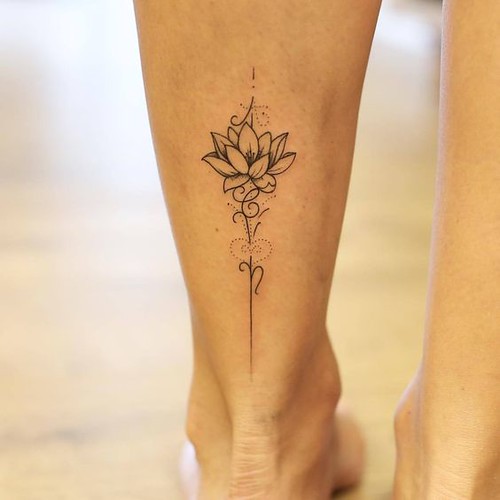
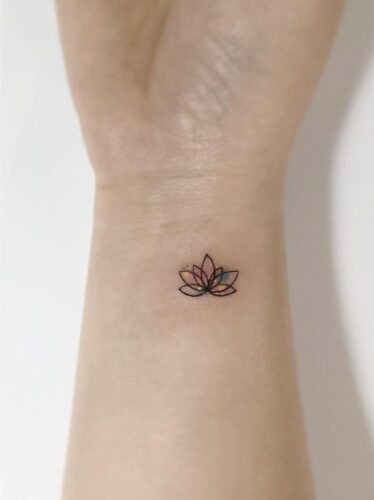
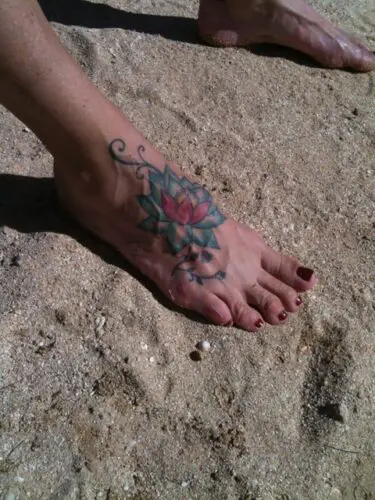
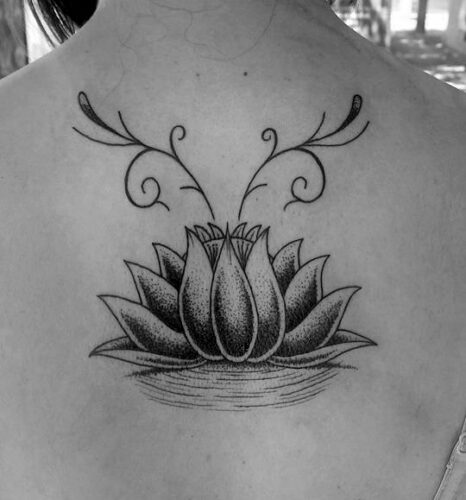
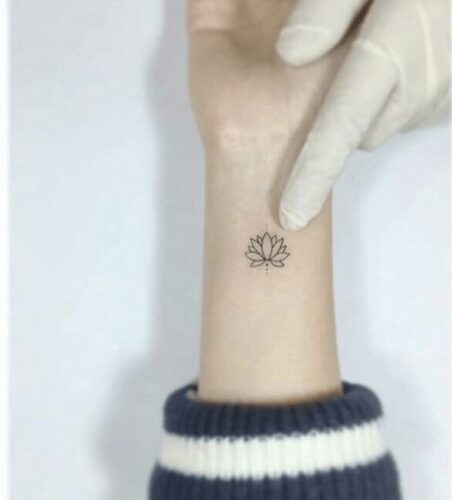
Your choice of location on the body should match the significance you want to convey. For example, a lotus on the chest can symbolize spiritual awakening or inner strength. The wrist is often chosen for resilience and personal growth, as it’s a highly visible yet intimate spot. The back offers space for large, intricate designs symbolizing life journey, while ankles symbolize grounding and stability. Consider visibility—if your goal is to remind yourself of your strength, a smaller tattoo on the wrist may be ideal. For a spiritual journey, a larger piece on the back or chest might be more fitting.
Before finalizing designs and placement, consult with your tattoo artist to ensure the chosen details reflect your personal meaning. A thoughtful combination of design elements and strategic placement creates a tattoo that resonates deeply and endures over time.

Avoiding Superficial or Culturally Insensitive Choices
Many people choose a lotus flower tattoo based solely on aesthetics, but neglecting its cultural and spiritual significance can lead to insensitivity or misrepresentation. Understanding and respecting the deeper meanings ensures your tattoo honors its origins.
Superficial Design Choices Without Understanding Meaning
Opting for a visually appealing lotus without exploring its symbolism may result in a design that feels disconnected from its essence. For example, choosing a complex, ornate lotus solely for its beauty might overlook its associations with purity or rebirth in different traditions.
Cultural Appropriation Versus Appreciation
It’s important to differentiate between appreciating a symbol and appropriating it disrespectfully. Using a lotus symbol without understanding its cultural roots—such as in Buddhism, Hinduism, or ancient Egyptian mythology—can be viewed as cultural insensitivity. Researchers recommend learning about the culture’s meanings before selecting a design.
Misusing Symbols or Misrepresenting Traditions
Misinterpretations happen when design elements are added without understanding their significance. For instance, adding a lotus with other religious symbols, like Buddha or Hindu deities, can be appropriate if done with respect and knowledge. However, using such imagery casually or out of context can trivialize its importance.
To avoid these pitfalls, consider consulting cultural experts or scholars. Ask specific questions such as:
- What does this symbol traditionally represent?
- Are there specific color choices that carry certain meanings?
- Is my design respectful and accurate to the tradition?
Choose a professional tattoo artist experienced with culturally significant symbols. They can help ensure your design respects the tradition while accurately reflecting your personal connection. A well-informed approach preserves the integrity of the lotus’s cultural symbolism and allows you to wear your tattoo with respect and understanding.
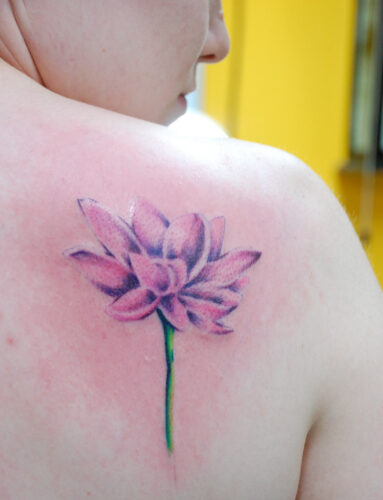
Communicating Your Intent and Collaborating with Your Tattoo Artist
Clear communication ensures your lotus flower tattoo accurately reflects your personal meaning and respects its cultural significance. Sharing your intent right from the start helps your artist create a meaningful design.
Questions to Ask Your Artist About Symbolism and Tattoo Design
- What experience do you have with culturally significant symbols like the lotus?
- Can you explain how different design elements (petal shape, color, accompanying symbols) impact the meaning?
- Are there specific styles or techniques that better convey spiritual or personal themes?
Sharing Your Personal Story and Intent
Describe what the lotus symbolizes for you—such as purity, resilience, or spiritual growth. For example, telling your artist that the white lotus represents spiritual awakening can help guide the design choices.
Reviewing Design Drafts for Accuracy and Meaning
Request multiple sketches and ask questions about their symbolism. For instance, if a draft incorporates multiple lotus petals, confirm whether the number aligns with cultural traditions or personal significance. Don’t hesitate to suggest modifications that better reflect your story.
Why This Communication Matters
Artists unfamiliar with cultural specifics might unintentionally create a superficial or insensitive design. By asking targeted questions—such as the significance of color choices or specific motifs—you ensure the final tattoo respects both your meaning and the tradition.
Seeking Experienced Artists and Adjusting Designs
Look for artists with a portfolio of culturally meaningful tattoos. Discuss your ideas openly and be ready to adjust the design based on their professional insights to preserve authenticity. For example, an artist might advise avoiding certain color combinations that are culturally inappropriate for specific traditions.
In summary, maintaining transparency about your intent and engaging in detailed dialogue with your tattoo artist fosters a collaborative process, ensuring your lotus flower tattoo is both beautiful and meaningful.

Post-Tattoo Care and Preserving Your Lotus’s Meaning
Proper aftercare helps maintain both the appearance and the symbolic significance of your lotus flower tattoo over time.
Follow proper aftercare to preserve color and detail
Immediately after your tattooing session, keep the area clean and moisturized. Use a gentle, fragrance-free soap and apply a recommended tattoo ointment. For instance, applying a thin layer of healing cream twice daily can prevent scabbing and fading.
Respectful handling and visibility over time
Protect your tattoo from excessive sun exposure, which can cause colors to fade. Cover it with clothing when outdoors or use a high-SPF sunscreen. For example, if your tattoo is on your forearm, wearing a long sleeve during peak sun hours helps preserve its vibrancy and respect its cultural symbolism.
Reflecting on and honoring your tattoo’s significance
As your understanding of the lotus flower deepens over time, consider incorporating ritual or reflection into your routine. This helps keep the personal and cultural meanings alive. For instance, some find that meditating on the qualities of resilience and purity embodied by the lotus enhances their connection to the tattoo’s symbolism.
Common mistakes to avoid
- Skipping sun protection, leading to premature fading.
- Using harsh or scented products that irritate healed skin.
- Choosing superficial or poorly executed touch-ups without consulting a professional.
Connecting personal growth to your tattoo over time
Evaluate how your life aligns with the lotus’s meanings, such as rebirth or enlightenment. This ongoing reflection keeps your tattoo meaningful beyond its visual appeal, reinforcing its cultural and spiritual significance.
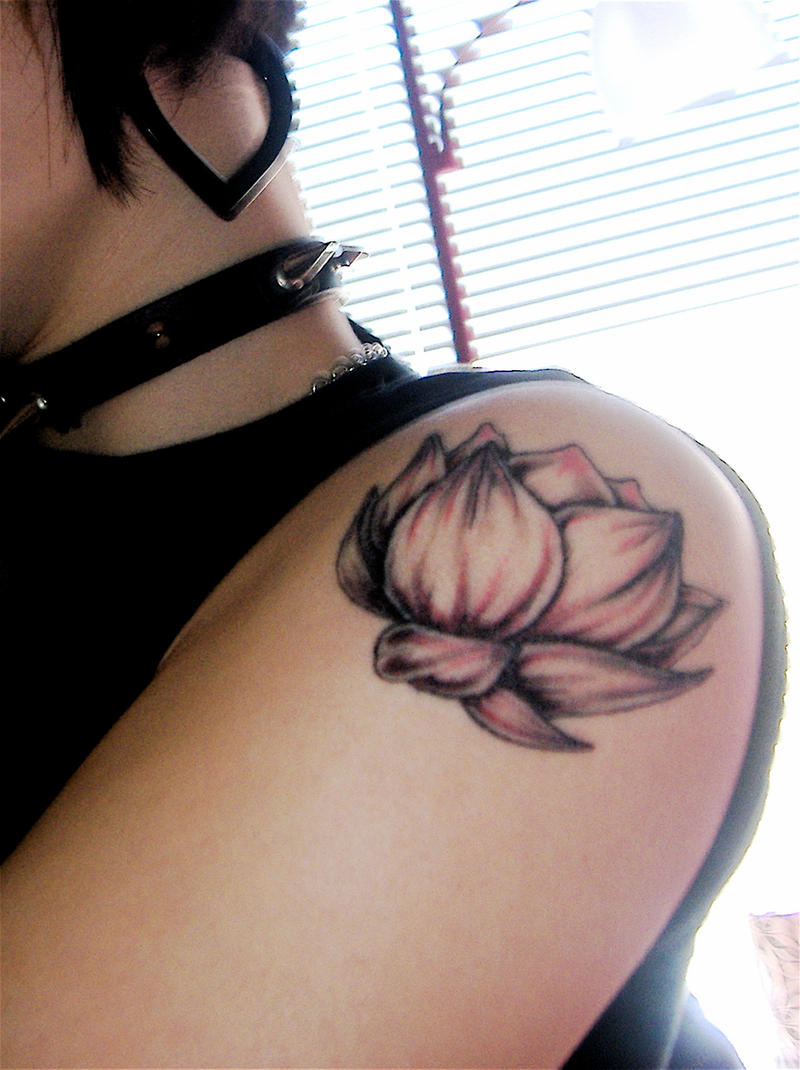

Frequently Asked Questions
What does a lotus flower tattoo symbolize?
A lotus flower tattoo generally represents purity, rebirth, resilience, and spiritual enlightenment. Its symbolism varies across cultures but often signifies overcoming adversity and personal growth. For example, it can symbolize rising above challenges and achieving inner peace.
How do color choices affect lotus flower meaning?
Colors deepen the symbolism of a lotus tattoo. White often stands for purity and spiritual awakening; pink may represent love and compassion; orange symbolizes resilience and strength. Choosing the right hue aligns your tattoo with your personal or spiritual intentions.
Where is the best placement for a lotus tattoo?
Placement depends on the significance you want to convey. A chest tattoo may symbolize inner strength, while wrists or arms are suitable for resilience and personal growth. Large, detailed designs often suit the back or thigh for more visibility and space.
Are lotus flower tattoos culturally sensitive, and how to respect their significance?
Yes, they carry deep cultural and spiritual significance, especially in Buddhism, Hinduism, and Egyptian mythology. To show respect, research their meanings, communicate your intent clearly to your tattoo artist, and avoid superficial or inappropriate design elements.
How do I choose a design that matches my personal spirituality?
Reflect on what the lotus symbolizes for you—whether purity, rebirth, or resilience—and incorporate design elements like petal count or additional symbols that mirror these values. Collaborate with your tattoo artist to create a personalized, meaningful piece.
What should I ask my tattoo artist about the symbolism before the session?
Ensure they understand the cultural and spiritual significance you want to convey. Ask about their experience with similar designs, their knowledge of lotus symbolism, and how they plan to incorporate meaningful elements into your tattoo.
Related reading
Sources and further reading
- Lotus Flower Tattoo Meaning & Design Ideas | Manifest
- Lotus Tattoo Meaning: Colours, Placement & Symbolism
- Lotus Flower Tattoo Meaning | Rosies & Posies Florist
- 40 Lotus Flower Tattoo Ideas For Permanent Zen
- Lotus Tattoo with Meaning
- Lotus Tattoo Images – Browse 113797 Stock Photos, Vectors, and Video