
To manage tiger tooth aloe that is too tall, implement targeted pruning, support the plant to prevent toppling, and adjust environmental factors like light to encourage healthier growth.
In this article, you’ll learn effective pruning techniques to control height, environmental adjustments to prevent overgrowth, and propagation tips for maintaining a balanced aloe plant.
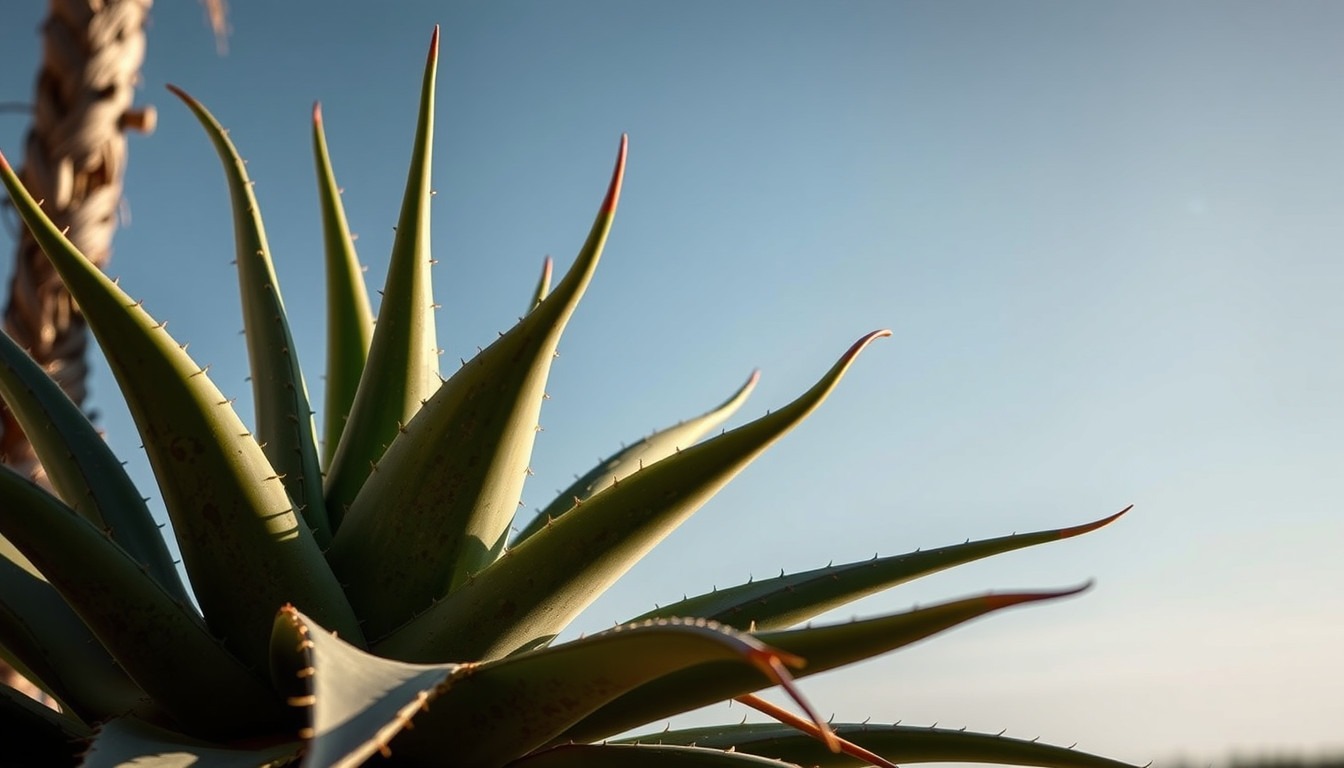
Understanding Why Tiger Tooth Aloe Becomes Too Tall
Overgrowth in Tiger Tooth Aloe often results from environmental factors, plant biology, or care practices. Recognizing the signs and causes of excessive height helps you take effective action before the plant becomes unstable or unhealthy.
- Etiolation due to insufficient sunlight: When Aloe lacks adequate light, it stretches taller as it searches for sun, leading to spindly, leggy growth.
- Overwatering and soil conditions: Excessive moisture can encourage the plant to grow rapidly and become tall and floppy.
- Genetic tendencies: Some Aloe varieties naturally tend to grow taller if they are in optimal conditions, especially with unlimited space and resources.
- Signs of overgrowth: Thin, elongated, or deformed leaves; top-heavy structure; leaning or unstable plant; extremely tall flower stalks.
- When intervention is needed: If the plant becomes too top-heavy, unstable, or loses its compact shape, it’s time to prune and support the plant.
1. Signs of Overgrowth in Tiger Tooth Aloe
Look for leggy growth, elongated leaves, or the plant leaning due to imbalance. Overgrown plants often have a spindly appearance and may topple easily.
2. Causes of Excessive Height
Insufficient light is a primary culprit, especially if the Aloe is kept indoors or in shaded areas. Overwatering and poor soil drainage promote rapid, lanky growth. Additionally, some genetic traits predispose certain varieties to taller growth if unrestrained.
Table of Contents
3. Environmental Factors Influencing Aloe Height
Lighting plays a crucial role; providing ample, bright indirect sunlight discourages etiolation. Proper watering routines prevent the plant from stretching in search of moisture. Well-drained sandy soil reduces root rot risk and supports healthier growth patterns.
4. Helpful Tips for Managing Overgrowth
- Provide bright, direct sunlight or supplement with grow lights if indoors.
- Use well-draining soil and avoid overwatering to control growth speed.
- Implement regular pruning to maintain shape and prevent top-heavy structures.
- Support tall or leggy plants with stakes or plant supports for stability.
- Propagate offshoots or cuttings to fill out the plant and replace overly tall sections.
| Factor | Impact on Growth |
|---|---|
| Light Exposure | Insufficient light leads to etiolation and taller, spindly growth. Bright, direct sunlight encourages compact growth. |
| Watering Frequency | Overwatering promotes rapid and excessive height. Dry, well-drained soil keeps growth controlled. |
| Soil Type | Poor-draining soil causes root issues and encourages leggy growth. Sandy or cactus mix soils are ideal. |
| Genetic Traits | Certain varieties naturally grow taller under optimal conditions, requiring proactive pruning. |
To manage tiger tooth aloe that is too tall, implement targeted pruning, support the plant to prevent toppling, and adjust environmental factors like light to encourage healthier growth. In this article, you’ll learn effective pruning techniques to control height, environmental adjustments to prevent overgrowth, and propagation tips for maintaining a balanced aloe plant.
Assessing Your Overgrown Tiger Tooth Aloe and Planning Interventions
Before pruning or supporting your Tiger Tooth Aloe, evaluate its health and growth pattern to determine the best intervention strategy.
1. How to assess if your Aloe needs height reduction?
Check for signs of overgrowth such as excessive height, etiolation (weak, elongated stems), and top-heavy structure. If the plant appears leggy with stretched-out leaves and cannot support its own weight, it’s a clear indicator it needs intervention. Also, observe if new growth at the base is minimal or crowded, suggesting the plant is allocating resources to vertical stretch rather than density.
2. Deciding between trimming and support solutions
If your Aloe is simply tall but still healthy, light pruning to reduce height may suffice. However, if the plant is unstable or leaning, support methods like staking are necessary. Consider trimming to maintain or restore a compact shape, especially if the top growth is causing imbalance. Supports prevent breakage and help the plant recover from overextension.
3. Tools and materials needed for intervention
Use sharp, sterilized pruning shears or loppers for clean cuts. For support, gather stakes or plant supports, garden ties or soft wire, and possibly pot supports if in containers. Ensure all tools are sterilized to prevent disease transfer and wear gloves for safety.
Prompt assessment and timely intervention can prevent long-term damage and encourage healthy growth. Remember, spring post-dormancy is the ideal pruning season to minimize stress and promote new, dense growth.
| Method | Best Use | Advantages | Limitations |
|---|---|---|---|
| Pruning | Control height, improve shape | Encourages bushier growth; quick results | May stress plant if overdone; timing matters |
| Support | Stabilize tall or top-heavy plants | Prevents breakage; safe for mature plants | Does not reduce height; may require plant staking maintenance |
| Combination | Manage height and stability simultaneously | Optimal plant health and appearance | Requires careful planning and execution |
- Evaluate plant height and stability regularly
- Use sharp, sterilized tools for clean cuts
- Support tall plants to prevent toppling
- Prune in spring after dormancy for best results
- Combine pruning with environmental adjustments to prevent future overgrowth
By carefully assessing your Aloe’s condition and choosing appropriate interventions, you can restore its health, shape, and stability, ensuring a vibrant, well-maintained plant for years to come.
Practical Techniques for Pruning Overgrown Tiger Tooth Aloe
Managing a tall, overgrown Tiger Tooth Aloe requires safe, effective pruning methods to reshape the plant and prevent damage. Follow these clear steps to prune your Aloe properly.
1. Preparing the plant and tools
Start by inspecting your Aloe for signs of overgrowth or leggy stems. Gather sharp, sterilized pruning tools such as scissors or pruning shears. Disinfect tools with alcohol or a bleach solution to prevent infection.
2. How to properly cut tall stems and offsets
Identify the tallest or most leggy stems and cut just above a leaf node or offset. Make clean, angled cuts to promote healthy healing. If the plant has offsets you wish to remove, gently separate them from the main plant, ensuring they have some roots attached.
3. Handling cuttings for propagation
Allow cuttings to callus in a dry, shaded area for a few days before watering. This helps prevent rot when planted or re-potted. Use the propagated offsets to fill out or reshape the plant’s lower profile.
4. Environmental factors affecting Aloe height
Ensure your Aloe receives ample sunlight—preferably direct or bright indirect light—to discourage etiolation and excessive stretching. Adjust watering and soil conditions to promote compact growth. Supporting tall or top-heavy Aloe plants with stakes can prevent breakage and maintain stability.
5. Common mistakes to avoid
- Using dull tools that cause jagged cuts.
- Cutting too close to the base, damaging roots or health.
- Removing too much at once, which stresses the plant.
- Failing to disinfect tools after each cut.
By following these techniques, you can restore your Tiger Tooth Aloe’s shape and health safely, ensuring it stays vibrant and well-supported in your home or garden.
Supporting and Stabilizing Tall or Weak Plants
Supporting tall or top-heavy Tiger Tooth Aloe plants prevents breakage and helps maintain a healthy, attractive shape. Proper supports ensure the plant remains upright while it recovers from overgrowth or etiolation.
1. Types of supports suitable for Aloe
Use stakes, plant cages, or ties to provide stability. Stakes made of bamboo or metal are unobtrusive and easy to install. Metal or plastic plant cages offer a more enclosed support, especially for larger plants. Ties or strips of soft fabric or silicone are ideal for fastening stems to supports without damaging them.
2. How to secure tall stems without damaging the plant
Gently tie the Aloe’s stems to the support using soft, flexible ties. Avoid tying too tightly, which can restrict growth or cause damage. Position supports close to the stem base and make sure they do not create pressure points. Regularly check ties for tightness and adjust as needed to accommodate growth.
3. When and how to replace or adjust support structures
Assess the plant monthly to ensure stability. As the Aloe grows, supports may need to be repositioned or replaced. For ongoing tall or leggy growth, consider installing taller stakes or additional ties. If the plant shows signs of leaning or shifting, reinforce or reposition supports promptly to prevent damage.
| Support Type | Best For | Advantages | Maintenance |
|---|---|---|---|
| Bamboo Stakes | Individual tall stems | Inexpensive, lightweight | Update or replace as the plant grows |
| Metal Cages | Whole plant support | Secure, durable | Check for rust or damage periodically |
| Tie/support strips | Supporting multiple stems | Flexible, customizable | Adjust ties as plant grows |
Choosing the right support method will depend on your plant’s size and growth pattern. Regularly inspect and adjust supports to keep your Aloe stable and healthy. Adequate support helps prevent toppling, especially when the plant becomes tall and top-heavy after pruning or overgrowth.
Environmental Adjustments to Control Future Height and Etiolation
Modifying growing conditions is essential to prevent tiger tooth aloe from becoming overly tall and etiolated. Proper lighting, watering, and positioning help manage its growth naturally.
| Aspect | Recommended Practice | Impact |
|---|---|---|
| Light Exposure | Provide bright, indirect sunlight or supplement with grow lights if natural light is inadequate. | Encourages compact, healthy growth and prevents excessive stretching. |
| Watering and Soil | Use well-draining soil and water when the top inch of soil dries out, avoiding overwatering. | Reduces etiolation caused by stress and prevents root rot. |
| Plant Positioning | Rotate the plant periodically and maintain an upright position. | Ensures even light distribution, promoting balanced growth and preventing leaning or leggy stems. |
1. Optimize Light Exposure
Ensure your tiger tooth aloe receives plenty of bright, indirect sunlight. If natural light is limited, supplement with artificial grow lights to reduce stretch and promote a compact form.
2. Adjust Watering and Soil Conditions
Use a fast-draining succulent soil mix and water only when the top inch of soil dries. This prevents overwatering, which can encourage the plant to stretch in search of moisture, leading to etiolation.
3. Position the Plant Correctly
Regularly rotate your aloe to provide consistent light from all sides. Supporting a slightly tilted or leaning plant with gentle repositioning can help maintain an upright, healthy shape, reducing the risk of toppling or breaking.
By fine-tuning these environmental factors, you can effectively control your tiger tooth aloe’s height and prevent overly elongated growth in the future. Consistent care and observation are key to maintaining a healthy, compact plant.
Propagation and Reshaping After Pruning
Once you’ve pruned your tall or overgrown tiger tooth aloe, reshaping and propagation help maintain its appearance and encourage healthy growth.
1. How to propagate Aloe from cuttings
Start by selecting a healthy, mature leaf or stem. Use a sharp, sterilized blade to cut a clean segment. Allow the cutting to callus for 3-5 days in a dry, shaded area, preventing rot. Once callused, plant the cutting in well-draining succulent soil and keep it lightly moist. Roots typically develop within a few weeks, producing a new plant that can be shaped or kept as a separate specimen.
2. Using offsets for reshaping
Aloe plants often produce offsets, or pups, around the base. Gently dig around the pups, ensuring they have some roots attached. Carefully remove them and plant in their own containers with appropriate soil. Offsets grow quickly and can be used to fill in gaps or to replace a tall, leggy aloe with a more balanced, bushy appearance.
3. Planting and caring for new Aloe plants
Place new cuttings or offsets in a container filled with a fast-draining succulent mix. Water sparingly, only when the top layer of soil dries out. Provide bright, indirect light to encourage healthy root development and foliage growth. As new plants establish, monitor their growth and adjust watering and light to promote a compact shape.
| Method | Timeframe | Success Rate | Ease of Care |
|---|---|---|---|
| Stem cuttings | 2-4 weeks | Moderate | Moderate |
| Offsets | Immediately | High | Easy |
By using these methods, you can effectively reshape your aloe and promote a healthy, more manageable growth pattern. Always choose healthy plant material and provide optimal growing conditions for best results.
Common Mistakes to Avoid During Overgrowth Management
Pruning and managing a tall, overgrown tiger tooth aloe requires careful approach to avoid damaging the plant or causing long-term health issues. Here are key mistakes to prevent:
1. Over-pruning or removing too much at once
Removing large sections or corporate pruning in a single session can stress the plant and hinder recovery. Instead, prune conservatively, removing only the most damaged or leggy growth over multiple sessions. This gradual approach supports healthy regrowth and minimizes shock.
2. Failing to sterilize tools before pruning
Using unclean tools introduces germs and fungi that can cause infections or rot. Always sterilize pruning shears or knives with alcohol or boiling water before working on your aloe. Clean tools reduce the risk of disease transmission and promote healthy healing.
3. Neglecting environmental factors post-pruning
After trimming, environmental conditions such as light, watering, and temperature play a vital role in the plant’s recovery. Keep the aloe in bright, indirect sunlight, avoid overwatering which can promote rot, and maintain a stable temperature. Adjust care routines to support the plant’s healing and prevent further etiolation or overgrowth.
By avoiding these common errors—over-pruning, unsanitary tools, and neglecting environmental needs—you help ensure your tiger tooth aloe remains healthy, compact, and thriving. Patience and careful attention are essential for a successful overgrowth management process.
Troubleshooting and Long-term Care for a Compact, Healthy Tiger Tooth Aloe
Maintaining a desirable height and overall health for your Tiger Tooth Aloe requires ongoing attention to environmental conditions, regular pruning, and proper support. Addressing issues early can prevent overgrowth and keep your plant vibrant.
1. Troubleshooting common problems after pruning
After trimming, watch for signs of stress such as yellowing or drooping leaves. These indicate that the plant may need better light, adjusted watering, or protection from pests. If new growth appears leggy or etiolated, the plant may be stretching due to insufficient light.
2. Long-term environmental management
Consistent lighting is crucial. Aim for bright, indirect sunlight to prevent further etiolation but avoid prolonged direct sun to prevent sunburn, which can damage its thick leaves. Maintain stable temperatures between 65-80°F (18-27°C), and water only when the soil is dry to support healthy growth without encouraging unnecessary stretching.
3. Routine pruning and repotting tips
Regularly prune the Aloe to keep its shape and prevent height from becoming unmanageable. Focus on removing any overly elongated or damaged leaves and trimming back any new shoots that threaten to overgrow. Repot the plant every 1-2 years into well-draining soil, which minimizes rot and encourages a balanced, compact form.
h>
| Aspect | Optimal Condition | Signs of Overgrowth |
|---|---|---|
| Light | Bright, indirect sunlight | Leggy, stretched growth |
| Watering | When soil is dry | Waterlogged soil, yellowing leaves |
| Soil | Well-draining cactus soil | Compact or soggy soil |
| Temperature | 65-80°F (18-27°C) | Wilting, stress signs during cold weather |
- Adjust lighting if the plant begins to stretch again.
- Regularly prune to maintain a compact form.
- Ensure soil remains well-draining to prevent rot.
- Support tall or top-heavy shoots with stakes.
- Monitor for pests and treat promptly.
By paying close attention to environmental stability, routine care, and timely pruning, you can keep your Tiger Tooth Aloe healthy, compact, and visually appealing for years to come.
Frequently Asked Questions
1. How can I tell if my tiger tooth aloe is too tall or leggy?
Signs include elongated, thin leaves, leaning or top-heavy growth, and a spindly appearance. If the plant appears stretched out and cannot support its own weight, it indicates overgrowth or etiolation caused by insufficient light.
2. When is the best time to prune my aloe for size control?
The ideal time is in spring after the plant has completed dormancy. Pruning during this period minimizes stress and promotes healthy, dense new growth. Proper timing ensures your aloe recovers quickly and maintains a balanced shape.
3. Will pruning affect the flowering or health of my aloe?
Pruning, if done correctly with sterilized tools, typically benefits your aloe by encouraging bushier growth and better overall health. However, excessive pruning or cutting too close to the base can temporarily reduce flowering and stress the plant.
4. How do I support a tall, top-heavy aloe safely?
Use stakes or plant supports anchored into the soil or pot. Secure the plant with soft ties or garden wire, ensuring not to damage the leaves or stems. This stabilization prevents toppling or breakage and helps the plant recover from excessive elongation.
5. Can I propagate cuttings from an overgrown aloe?
Yes, you can take offsets or cuttings from the healthy base of the plant. Allow cuttings to callus before planting in well-draining soil. Propagation helps maintain a balanced plant and can replace overly tall sections.
6. What environmental changes prevent aloe from stretching again?
Provide ample bright, direct sunlight or supplement with grow lights indoors. Avoid overwatering and use well-draining soil to promote compact growth. These changes reduce etiolation and help the plant maintain a manageable height.
7. Is it safe to prune my aloe without harming the roots?
Yes, pruning above the roots using sterilized tools is safe and can improve plant shape. Avoid cutting close to the root system to prevent root damage. Proper pruning encourages healthy growth and reduces top-heavy issues.
8. How do I differentiate between natural height and etiolation?
Natural height results from the plant’s genetic traits and consistent, healthy growth. Etiolation is characterized by elongated, weak stems caused by low light conditions. If your aloe is overly leggy with stretched-out leaves, it is likely etiolation.