
Key Takeaways
- Aloe Vera typically blooms after reaching four years of age.
- Flowers appear in vibrant clusters of orange, red, yellow, or pink.
- Proper care, including temperature, nutrition, and timely watering, is essential for blooming.
- Once flowers die, cutting the stalks can promote the health of the plant.
- Blooming is more common in warm climates, enhancing the likelihood of flower production.
If you’re curious about whether Aloe Vera produces flowers, you’re not alone. Many wonder about the flowering process, the appearance of the blooms, and how to encourage their growth. I’m here to provide clarity on all these aspects.
For Aloe Vera to bloom, it requires warm temperatures, a nutrient-rich potting mix, diligent care, and timely watering. These succulents tend to flower as they age, although some leaves may wither in the process. While it is uncommon for Aloe Vera to bloom annually, with proper care, you can increase the chances of flowering. If the flowers do wither, it is beneficial to prune the stalks at the base, as they may be depleting nutrients from the plant, thereby promoting healthier growth of new stalks and leaves.
Aloe Vera is not only known for its healing properties but also for its unique flowering potential, which many may not realize. While blooming can be infrequent, it is achievable in warm climates where the plant can thrive in optimal conditions.
What Should You Do with an Aloe Plant After It Flowers?
After an Aloe Plant has finished blooming and the flower stalks begin to wither, it is advisable to prune these stalks at their base. This is essential as the spent flowers will not regenerate and will continue to draw nutrients from the surrounding soil, potentially hindering the plant’s overall health. This action will not harm your aloe; rather, it will promote the growth of new leaves. You may observe that some of the outer leaves of the aloe plant are becoming dry or dying. This is a natural occurrence as older leaves age and may turn brown. Pruning these older leaves will not only enhance the aesthetic appeal of your succulent but also help eliminate any potential diseases.
Additionally, removing brown leaves from your aloe plant is crucial, as they can detract from its appearance and attract pests like mealybugs and spider mites. To ensure optimal growth, provide your Aloe Vera with adequate sunlight each day, as this will encourage it to grow taller. During the winter months, it is important to avoid overwatering; allow the plant to thrive independently. Water only when the soil is dry. In contrast, during the summer, you should increase watering frequency and ensure the plant receives ample sunlight.
Does Aloe Vera Die After Flowering?
In brief, Aloe vera does not perish following its flowering phase; instead, it continues to thrive much like other tropical and semi-flowering plants. The vibrant blooms of Aloe vera may wither and fade after a period of 3 to 4 months, typically blooming from early spring until late summer.
These resilient succulents are well-adapted to their environments, and flowering does not pose a threat to their overall health, even in the harsh sunlight of desert climates.
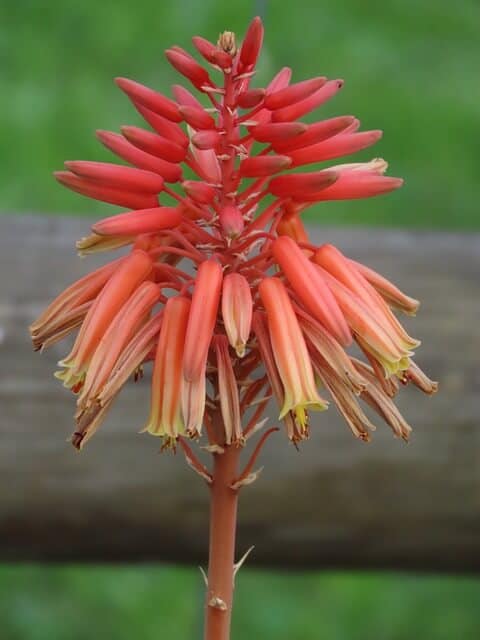
To maintain the vitality of your Aloe plant, simply prune the flower stalks at their base. Aloe flowers are generally characterized by their striking red-yellow hues, standing tall on thick, sturdy flower stalks, often referred to as flower stems.
While the flowering process does not harm the Aloe plant, delaying the removal of the flower stalks can result in unnecessary nutrient absorption from the soil. Therefore, timely pruning is advisable.
If you prefer not to cut the flower stalks, you can allow them to naturally dry and die back; rest assured, your Aloe plant will continue to grow robustly, unaffected by the flowering process.
How Frequently Do Aloe Vera Plants Flower?
Aloe vera plants typically produce blooms annually, with the flowering stalks emerging in the spring. However, many enthusiasts seldom witness this phenomenon, as these resilient plants are often situated near windows, televisions, laptops, or even in bedrooms and hallways. To understand why Aloe Vera plants may not flower, I conducted research and discovered that specific conditions are essential for triggering their blooms.
The ideal conditions for Aloe Vera flowering include a warm climate, nutrient-dense soil (which can be enhanced through fertilization), and a mature plant with thick, robust leaves that receives ample sunlight. It’s important to note that indoor environments rarely provide the necessary conditions for blooming. In outdoor settings, natural pollination processes involving insects can facilitate the development of flower stalks.
Crucially, the plant’s age and the climate play significant roles in its ability to flower. Even a small pot can inhibit Aloe Vera from blooming. Over the years, it’s essential to repot the plant several times to ensure it thrives in an environmentally suitable location, ultimately leading to flowering as it matures.
USDA Zones 9 to 12 are optimal for cultivating Aloe Vera blooms, as these regions experience warmer temperatures compared to lower zones. Utilizing fertilizers high in phosphorus can enhance the vibrancy of Aloe Vera plants and encourage the formation of flower stalks. The blooms typically exhibit colors ranging from yellow to orange, and I may include a video to showcase the beauty of Aloe Vera, commonly referred to as aloe plants.
Consider using a 15-30-15 fertilizer: Purchase on Amazon.
The 15-30-15 ratio indicates the levels of Nitrogen, Phosphorus, and Potassium.

What is the Lifespan of an Aloe Vera Flower?
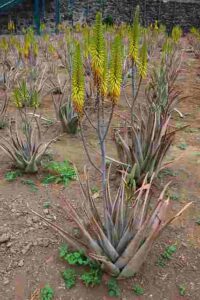
The vibrant blooms of the aloe vera plant typically last until late summer, although witnessing these striking, vertically arranged flowers is a rare delight. Many enthusiasts observe that aloe stalks begin to emerge in early spring, with some reports indicating that blooming may commence towards the end of the spring season. This variation in flowering time can be attributed to climate zones; for instance, plants in zone 12 may flower earlier, while those in USDA zones 9 and 10 often experience blooming from mid to late spring.
Aloe plants generally produce flowers for a duration of 2 to 3 months each year, after which the blossoms wither and fall off. To promote optimal health, it is advisable to prune the spent flower stalks at the base, as this prevents the plant from expending valuable nutrients on decaying blooms. By removing these stalks, the aloe vera can focus its energy on recovering from any damaged or dried leaves. As older leaves age and are replaced by new growth, it is essential that the soil remains nutrient-rich. If the soil has been depleted of essential nutrients, incorporating flowering fertilizers can significantly enhance the likelihood of successful blooming in the aloe vera plant.
How to Encourage My Aloe Plant to Bloom?
Aloe vera, renowned for its therapeutic attributes, often flourishes in challenging environments. However, enticing this resilient succulent to produce its vibrant flowers can be quite a task. To witness your aloe vera plant’s stunning floral display, several essential factors must be taken into account.
Light Exposure
To achieve blooming, aloe vera plants necessitate at least 6 hours of direct sunlight daily. Insufficient light exposure significantly reduces the likelihood of flowering. In areas with limited daylight, consider augmenting natural light with a grow light to ensure your plant receives the necessary illumination.
Watering Practices
While aloe vera plants are drought-tolerant, they are particularly susceptible to overwatering. To stimulate flowering, water your aloe only when the soil is entirely dry. Overwatering can lead to detrimental root rot, which hampers growth and flowering potential.
Optimal Temperature
Aloe vera thrives in warm climates, ideally within the temperature range of 70 to 85 degrees Fahrenheit (21 to 29 degrees Celsius). If you reside in a region with harsh winters, it is advisable to bring your aloe vera indoors during the colder months to protect it from frost.
Fertilization
For successful blooming, aloe vera plants benefit from regular fertilization. Apply a balanced fertilizer monthly throughout the growing season, but exercise caution to avoid over-fertilization, which can damage the root system.
Additional Tips for Blooming Success
Choose an Appropriate Pot
Opt for a pot that features drainage holes to prevent root rot. Ensure the container is adequately sized to accommodate the expanding root system of your aloe vera.
Utilize Well-Draining Potting Mix
Aloe vera requires a potting mix that promotes excellent drainage. You can either select a commercial succulent potting mix or create a custom blend by combining equal parts potting soil, sand, and perlite.
Repotting Schedule
As your aloe vera plant matures, repot it into a larger container every two years or whenever it becomes rootbound to facilitate continued growth.
Regular Maintenance
Consistently remove any dead leaves or offsets from your aloe vera plant. This practice encourages new growth and enhances the potential for flowering.
With diligent care and attention, you can foster blooming in your aloe vera plant. Remember, patience is essential, as these plants may require time to mature and initiate their flowering process.
Morning sunlight is optimal for both leaves and flowers; therefore, exposing them to sunlight between 9 and 11 AM is ideal. Bring them back indoors after 11-12 PM to prevent sunburn on aloe leaves. When providing daily sunlight, be mindful that your plant may require additional water, and avoid the common mistake of overwatering your aloe. Always check the soil for dryness before adding more water.
Interestingly, the flowers resemble those of red hot poker plants. I encourage you to explore my post to see the similarities for yourself.
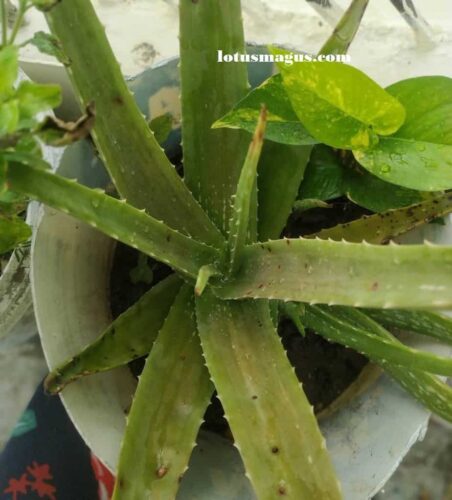
Exploring Varieties of Aloe Vera Plants and Their Blooming Potential
Aloe vera comprises an extensive array of over 500 species, yet not all exhibit a propensity for flowering. Certain varieties, however, demonstrate a higher likelihood of producing blossoms. Below is a detailed overview of some prominent aloe vera species recognized for their blooming characteristics:
Aloe barbadensis
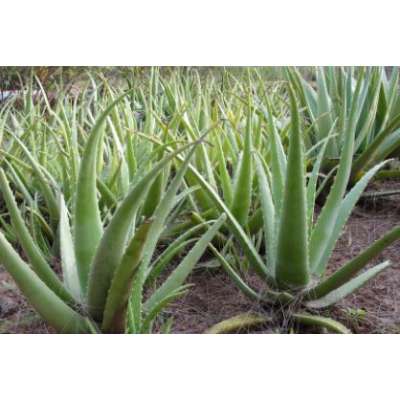
Aloe barbadensis, commonly referred to as aloe vera, stands as the most widely cultivated aloe species. This succulent features thick, fleshy leaves that are typically green or blue-green. Renowned for its medicinal benefits, Aloe barbadensis can indeed flower, albeit with no certainty. When it blooms, it produces striking yellow or orange flowers.
Aloe arborescens
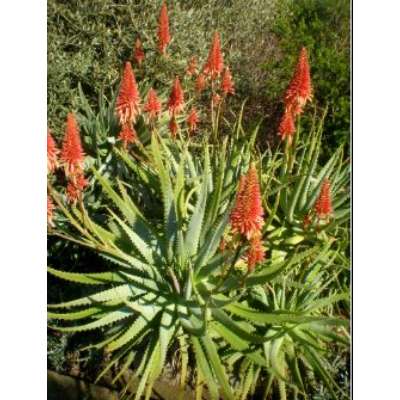
Aloe arborescens, often known as the candelabra aloe, is a tree-like variety that can reach heights of up to 10 feet. Its elongated, slender leaves are typically green or blue-green, and it is celebrated for its vibrant red or orange flowers that bloom in clusters at the tips of its branches. This species is relatively straightforward to cultivate and tends to have a more reliable blooming cycle compared to other aloe varieties.
Aloe aristata
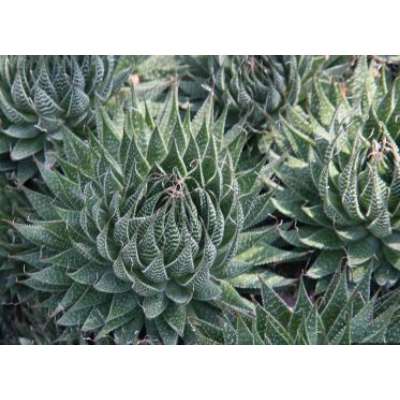
Aloe aristata, known as the lace aloe, is a compact species that typically reaches a height of about 6 inches. It showcases short, thick leaves with a green or blue-green hue accented by white edges. Aloe aristata is visually distinctive and produces charming orange flowers in clusters atop tall stalks. This variety is relatively easy to grow and is classified among the dwarf species of aloe vera that exhibit a tendency to bloom more consistently.
Additional aloe vera species recognized for their flowering capabilities include:
- Aloe ciliaris
- Aloe ferox
- Aloe variegata
- Aloe mitriformis
- Aloe plicatilis
- Aloe aculeata
It is important to understand that not all individuals of the same aloe vera species will bloom, even when provided with identical care. While certain species demonstrate a higher likelihood of blooming, absolute certainty cannot be guaranteed. For those seeking to promote flowering, selecting varieties such as Aloe arborescens or Aloe aristata, which are noted for their blooming tendencies, may be advantageous.
What does the flower of an aloe plant look like?
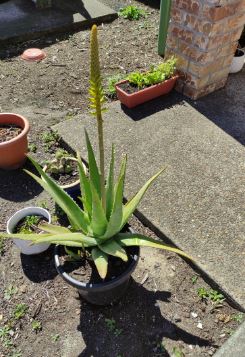
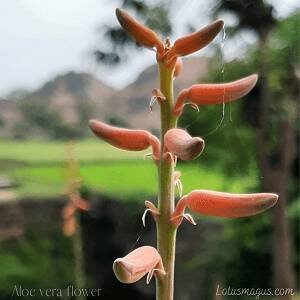
The flowers of the aloe plant exhibit a striking appearance, resembling multiple tubular structures that are round and pipe-shaped. These blossoms emerge from elongated flower stalks that grow vertically, while the individual flower tubes, often referred to as bells, can hang downwards, presenting an inverted U shape. The color palette of aloe flowers is vibrant, showcasing hues of orange, reddish tones, yellowish shades, and occasionally white.
These captivating flowers serve as a magnet for various pollinators, including birds, bees, and flies, which play a crucial role in the pollination process, enabling the aloe plant to flourish. Birds, in particular, are often seen perching on these flower stalks, where they rest and sip the sweet nectar produced by the blooms.
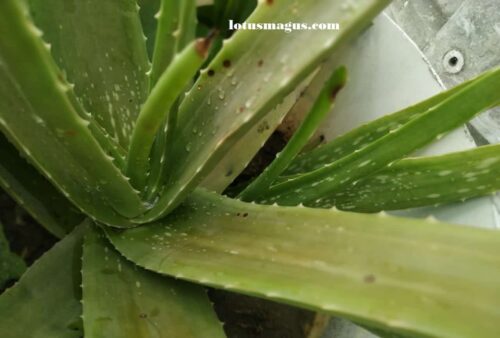
The leaves of the aloe vera plant are characterized by their thick, spiky, and water-filled structure, typically exhibiting a greenish hue. This unique adaptation allows them to store water, enabling the plant to endure prolonged dry spells without additional hydration. Aloe species thrive in arid desert environments, showcasing their remarkable ability to adapt to a wide range of ecological conditions.
Aloe flowers tend to bloom early in USDA hardiness zones 10-12, as warmer temperatures promote optimal growth. Attempting to cultivate these plants during the winter months is generally unadvised, as they are sensitive to excessive moisture and thrive best in warm climates, rather than in freezing conditions.
Do Aloe Vera Flowers Emit a Fragrance?
Aloe vera flowers are generally devoid of any discernible scent, attracting various pollinators such as birds and bees that perch upon them or engage in pollination activities. These vibrant orange, tubular clusters form a rounded floral structure, contributing to the plant’s visual appeal. The absence of a strong odor means that you need not be concerned about any unpleasant fragrances emanating from the flowers. However, within the green, spiky leaves of the aloe vera plant, one might detect a less-than-pleasant aroma reminiscent of decomposing potatoes, garlic, or onions—odors commonly associated with the gel. Despite the often off-putting scent associated with the plant itself, the gel possesses remarkable healing properties, making it a favored choice among women for skincare applications.
The texture of aloe vera gel is notably sticky rather than smooth, characterized by its transparent and somewhat viscous consistency. Even when subjected to high temperatures, such as boiling water, the juice extracted from aloe plants remains largely intact, demonstrating its resilience.
Do All Aloe Vera Plants Bloom?
Not all Aloe vera plants produce blooms. Many enthusiasts have noted that their aloe specimens have remained flowerless despite years of cultivation. Various aloe species exhibit infrequent blooming tendencies, with some only flowering once annually. However, actual blooming is contingent upon optimal environmental conditions and nutrient-rich soil. Aloe vera thrives in warmer climates, particularly within USDA zones 10-12, where the likelihood of flowering increases significantly.
The positioning of your aloe plant plays a crucial role in its blooming potential. To maximize flowering, ensure your aloe receives ample sunlight and is planted in nutrient-dense soil, which enhances its capacity to produce flowers.
When provided with the appropriate conditions and diligent care, your aloe plant is likely to yield tubular-shaped flowers. It is important to note that blooming typically occurs in mature aloe plants, as younger specimens often lack the energy required to generate new blooms. Flowering in Aloe vera usually takes place from early spring through summer.
For optimal fertilization, apply a liquid fertilizer during the summer months, which is ideal for many flowering and semi-flowering plants, including Aloe vera.
The colors of these blooms can range from vibrant orange to sunny yellow, with some varieties showcasing different hues that resemble the classic Aloe vera appearance.
Is Aloe Vera Flower Considered Lucky?
While the Aloe Vera flower itself lacks any specific connotation of luck, the Aloe Vera plant as a whole is often associated with positive energy and well-being. Renowned for its remarkable healing attributes, this resilient plant can alleviate burns and address various skin conditions, including rosacea and wounds.
As noted by Healthline, Aloe Vera is effective in combating dryness, thanks to its anti-inflammatory properties that facilitate wound healing. Additionally, it has been recognized for its potential benefits in treating acne.
Helpful Note: Reducing sugar intake may contribute to slowing the aging process.
There are numerous plants celebrated for their ability to enhance air quality while also being considered auspicious in feng shui.
- Money Plant
- Snake Plants
- Jade Plants
- Lucky Bamboo
- Palms
- Orchids
- and many more.
Certain plants are known for their ability to purify indoor air, while others are deemed lucky due to their beneficial properties that resonate with modern lifestyles.
The aforementioned plants serve as excellent companions for your Aloe Vera, particularly if you are embarking on a new gardening journey filled with diverse flora. Indoor plants that promote positive energy, are easy to maintain, and improve air quality are often sought after for their myriad benefits.
Can You Consume Aloe Vera Flowers?
Aloe Vera flowers are not considered edible, as there is a lack of credible sources confirming their safety for human or pet consumption. Typically, when individuals seek information about Aloe Vera, they refer to its leaves, which are indeed edible. According to Healthline, the leaves and their gel are safe for consumption and are widely recognized for their skin-healing properties.
The gel extracted from Aloe Vera leaves can be combined with warm water to alleviate digestive issues such as constipation, as noted by Healthline. Additionally, this gel is rich in antioxidants that may help mitigate the risk of serious diseases, including cancer, as reported by WebMD.
Moreover, Aloe Vera leaves are a source of essential vitamins, including vitamins C, B, E, and folic acid, which are crucial for maintaining overall health. These nutrients are densely packed within the leaves, contributing to their nutritional value.
However, it is important to exercise caution with long-term consumption of Aloe Vera juice, as excessive intake may lead to potential health issues such as kidney problems, heart complications, and abdominal cramps. Therefore, moderation is key when incorporating Aloe Vera into your diet.
About Aloe Vera Flower
Aloe Vera (Aloe barbadensis miller), a resilient succulent renowned for its medicinal and ornamental properties, is also a flowering plant. Originating from the Arabian Peninsula, Aloe Vera is cultivated globally due to its versatility and numerous health advantages.
The flowers of Aloe Vera emerge on elongated, slender stalks that can reach heights of over 3 feet. These raceme-shaped blossoms exhibit a tubular form and are visually striking in shades of yellow, orange, or red, making them appealing to a variety of pollinators, including bees, birds, and butterflies. Typically, Aloe Vera flowers bloom from late winter through early spring, influenced by specific environmental conditions and growth factors.
How to Cultivate Aloe Vera Flowers
Aloe Vera flowers require specific care and an optimal environment for flourishing. Follow these essential steps for successful growth:
- **Optimal Placement**: Aloe Vera thrives in bright, sunny locations with well-draining soil. For outdoor cultivation, ensure the plant receives a minimum of 6 hours of sunlight daily. If grown indoors, position the plants near a south- or west-facing window to maximize light exposure.
- **Soil Composition**: This succulent species flourishes in sandy or gritty substrates that facilitate drainage. Utilizing specialized cactus or succulent soil is ideal. Enhance drainage further by incorporating perlite, pumice, or coarse sand into the mix.
- **Watering Practices**: Adequate hydration is crucial for the growth and flowering of Aloe Vera. Water the plant thoroughly, allowing the soil to dry out completely between watering sessions. During the winter months, reduce watering frequency to avert the risk of root rot.
- **Fertilization Needs**: Aloe Vera requires minimal fertilization. A diluted, balanced fertilizer, such as 10-10-10 or 8-8-8, should be applied once or twice annually during the growing season to promote healthy development.
- **Temperature Preferences**: Aloe Vera plants thrive in temperatures ranging from 55°F to 80°F (13°C to 27°C). While they can endure brief cold spells, prolonged exposure to temperatures below 50°F (10°C) can be detrimental to their health.
- **Pruning and Dividing**: To encourage robust growth, regular pruning and dividing are beneficial. If your Aloe Vera plant becomes overcrowded, separate the offsets, commonly referred to as pups, and repot them to ensure adequate space and resources for each individual plant.
What Are the Advantages of Cultivating Aloe Vera Flowers?
- Aloe Vera possesses soothing, therapeutic, and anti-inflammatory properties. The gel extracted from its leaves effectively alleviates burns, sunburns, skin irritations, and various minor health issues.
- This resilient plant is known for its ability to absorb harmful substances such as formaldehyde and benzene, thereby enhancing indoor air quality.
- Aloe Vera enhances the aesthetic appeal of both outdoor landscapes and indoor spaces. Its vibrant blooms introduce a splash of color, enriching the visual experience.
- Low maintenance requirements make Aloe Vera an ideal choice for both novice and experienced gardeners alike, ensuring easy care and upkeep.
- The tubular flowers of Aloe Vera are particularly attractive to pollinators, including bees, butterflies, and hummingbirds, which play a crucial role in supporting local ecosystems and promoting garden biodiversity.
- As a drought-tolerant species, Aloe Vera thrives in arid conditions, making it an excellent option for xeriscaping and sustainable, water-efficient gardening practices.
- Combining therapeutic benefits, decorative appeal, and air-purifying qualities, Aloe Vera’s versatility renders it a valuable addition to any home or garden setting.
What Are the Uses of Dried Aloe Vera Flowers?
Dried aloe vera flowers serve a multitude of purposes, including:
- Medicinal applications: Dried aloe vera flowers can be brewed into a tea that possesses anti-inflammatory, analgesic, and wound-healing properties.
- Cosmetic applications: Dried aloe vera flowers can be utilized to formulate a facial toner that aids in reducing acne and skin irritation.
- Aromatherapy applications: Dried aloe vera flowers can be crafted into potpourri or incense, emitting a soothing and tranquil aroma.
Medicinal Uses of Aloe Vera Flowers
- Inflammation reduction: Aloe vera flowers contain bioactive compounds that may help mitigate inflammation, proving beneficial for individuals suffering from conditions such as arthritis, psoriasis, and eczema.
- Pain relief: The analgesic properties found in aloe vera flowers can assist in alleviating discomfort, making them a natural option for pain management.
- Wound healing promotion: Aloe vera flowers are rich in compounds that support the healing process, attributed to their antibacterial and anti-inflammatory characteristics.
Cosmetic Uses of Aloe Vera Flowers
- Acne reduction: The antibacterial and anti-inflammatory properties of aloe vera flowers can significantly diminish acne, promoting clearer skin.
- Skin irritation alleviation: Aloe vera flowers can help soothe skin inflammation, benefiting those with conditions such as rosacea and eczema.
- Skin moisturization: Compounds found in aloe vera flowers are effective in hydrating the skin, leaving it feeling soft and supple.
Aromatherapy Uses of Aloe Vera Flowers
- Calming and relaxing aroma: The gentle, sweet fragrance of aloe vera flowers can create a serene atmosphere, ideal for individuals experiencing stress or anxiety.
- Uplifting fragrance: Aloe vera flowers can also emit an invigorating scent, which can be beneficial for those feeling fatigued or lethargic.
Troubleshooting Common Issues Affecting Aloe Vera Blooms
Even with optimal care, your aloe vera might still struggle to produce blooms. Various prevalent challenges could be obstructing its flowering potential. Below are some of the most common culprits:
Insufficient Sunlight Exposure
Aloe vera thrives on a minimum of 6 hours of direct sunlight each day to encourage blooming. If your plant is deprived of adequate sunlight, the likelihood of flower production diminishes significantly.
Inadequate Watering Practices
Though aloe vera is renowned for its drought resistance, it still necessitates consistent watering. However, excessive moisture can damage the roots and impede blooming. It’s crucial to allow the soil to dry out thoroughly between watering intervals.
Insufficient Nutrient Supply
Proper fertilization is vital for the blooming process of aloe vera. During the growing season, apply a balanced fertilizer monthly to foster flowering.
Age of the Plant
Typically, aloe vera plants do not flower until they reach a minimum age of four years. If your specimen is younger, it is unlikely to produce blooms at this stage.
Environmental Stress Factors
Aloe vera can undergo stress due to a variety of influences, including pest infestations, diseases, and sudden environmental changes. Stressed plants are often less inclined to flower.
To effectively troubleshoot these common issues with aloe vera blooms, consider the following strategies:
- Insufficient Sunlight: Relocate your aloe vera to an area that receives at least 6 hours of direct sunlight per day, or employ a grow light to enhance natural light exposure.
- Inadequate Water: Maintain a regular watering schedule, ensuring to avoid overwatering. Allow the soil to dry completely between watering sessions.
- Lack of Nutrients: Implement a monthly application of balanced fertilizer throughout the growing season.
- Plant Age: Exercise patience if your aloe vera is under four years old; it may require additional time to mature sufficiently for blooming.
- Environmental Stress: Quickly identify and rectify any sources of stress. If pests or diseases are detected, treat them appropriately. Modify environmental conditions to create a more conducive atmosphere for your plant.
Moreover, here are some effective strategies for managing pests and diseases that may impact aloe vera blooms:
- Mealybugs: Remove mealybugs using a cotton swab dipped in rubbing alcohol or a blend of insecticidal soap and water.
- Scale Insects: Eradicate scale insects with a cotton swab soaked in rubbing alcohol or by applying a horticultural oil and water mixture.
- Fungal Infections: To address fungal diseases that manifest as brown or black spots on aloe vera leaves, utilize a fungicide spray.
By adhering to these guidelines and troubleshooting recommendations, you can effectively tackle common issues that may impede your aloe vera plant’s blooming potential, ultimately assisting it in producing stunning flowers.
Frequently Asked Questions
When does aloe vera typically bloom?
Aloe vera generally flowers between late winter and early spring, with the exact timing influenced by environmental factors and growth conditions. In some regions, blooming can commence as early as January, while others may not see flowers until March or April.
What steps can I take to encourage my aloe plant to flower indoors?
While it is possible for aloe vera plants to produce flowers indoors, achieving this can be more challenging compared to outdoor cultivation. Here are some essential tips for promoting indoor flowering:
- Position your aloe vera plant in a south- or west-facing window that receives a minimum of six hours of direct sunlight daily.
- Aloe vera thrives in temperatures ranging from 55°F to 80°F (13°C to 27°C). It’s crucial to maintain this temperature range indoors.
- Water the plant thoroughly after allowing the soil to dry out completely. Overwatering can lead to root rot, which hinders the blooming process.
- Fertilize judiciously: Use a diluted, balanced fertilizer once or twice during the growing season to provide essential nutrients for flowering.
- Be patient: Aloe vera plants may take several years to bloom. Younger specimens or those that have recently been repotted may require additional time to establish before they flower.
Concluding Thoughts
We trust that you found our comprehensive guide on the elusive Aloe vera flower enlightening. By adhering to the steps outlined in our article, you can successfully cultivate this rare bloomer and witness its vibrant blossoms firsthand.
Explore Related Articles:
How to Harvest and Use Aloe Vera Gel: A Step-by-Step Guide
32 Types of Aloe Plants: Which One is Best? (With Pictures)
The History and Folklore of Aloe Vera: Myths, Legends, and Cultural Significance
A Beginner’s Guide to Growing Aloe Vera: Tips and Tricks for Success
Aloe Vera Flowers: Uses, Benefits, and Medicinal Information
Is the Aloe Vera Flower a Symbol of Luck? Discover the Reason Behind It
Aloe Vera Meaning: What Does It Symbolize Spiritually Across Cultures?
Aloe Vera Flowers: Uses, Benefits, and Medicinal Information
Aloe Vera Plant Care: 5 Tips for Successful Indoor Growth
Can You Freeze Aloe Vera? Storing and Preserving Gel and Leaves
Aloe Vera Seedlings: How to Grow and Care for Them
Leggy Aloe Vera: Addressing Stem Length Issues and Repotting
Plants That Resemble Aloe Vera: 7 Similar Succulents (With Pictures)
Can Aloe Vera Thrive Without Sunlight? Understanding Its Light Requirements
Best Soil for Aloe Vera: Miracle Grow vs. Regular Potting Mix
Aloe Humilis (Spider Aloe): Care, Propagation, and Benefits
Why Your Aloe Plant Fell Apart: Overwatering Issues and Solutions
Glossary of Terms
- Aloe Vera Flower
- A rare flowering manifestation of the Aloe vera plant, known for its vibrant colors and medicinal properties.
- Succulent
- A type of plant characterized by thick, fleshy parts that store water, allowing them to thrive in arid environments.
- Overwatering
- A common issue in plant care where excessive water leads to root rot and other growth problems.
- Propagation
- The process of creating new plants from a variety of sources, including seeds, cuttings, and offsets.